

A Littleton Therapist Who Gets Kids with Big, Baffling Behaviors
Erin Bennetts, LCSW, RPTS
Licensed Clinical Social Worker · Colorado License #00992833, Registered Play Therapist Supervisor · #S-2458
Located in Littleton, CO, since 2013
Supporting families in Centennial, Highlands Ranch, Ken Caryl, Lone Tree and the greater Denver area
In this video, Littleton therapist Erin Bennetts, LCSW, RPTS, invites parents who are concerned about their child’s behavior and overall social emotional development to consider child therapy and family support. Erin holds a Colorado LCSW license (#00992833) and is credentialed as a Registered Play Therapist® Supervisor (#S-2458) through the Association for Play Therapy, a nationally recognized specialty designation in child mental health. Erin brings 20 years and a wide range of experiences as a therapist and parent into the playroom helping kids navigate big emotions, anxiety, behavioral challenges, and difficult life transitions through play therapy and parent consultation.
Child Therapy and Parent Support
You've noticed something is different with your child, and as their parent, you felt it before you could name it.
The annoying, but expected age-appropriate temper tantrums are now epic episodes that are exhausting and worthy of an Academy Award. What was once quirky avoidance or preferences now has the entire family walking on eggshells and planning around paralyzing fear, anxiety, and worry. Your child, whom you used to wonder if they had an off button, has gone unusually silent, withdrawn, and invisible. You have moments that everything is going along just fine, and then out of nowhere, your child is acting out in ways that leave you standing in the kitchen thinking, what just happened?
You're paying close attention, doing everything you know how to do, and still wondering: is this more than a phase?
Parenting is the most important job in the world, and also the one that comes with the least amount of instructions. Feeling unsure doesn't mean you're doing it wrong. It usually means you care deeply, and you're paying attention.
You're Not Alone in This
When a child is struggling, the whole family feels it. Mornings get harder. Bedtime stretches into a negotiation marathon. Every day moments carry more tension than they used to, and you find yourself replaying difficult conversations at 11pm when you should absolutely be asleep.
Many parents in Littleton and the surrounding Denver area eventually reach a point where they search for something more, not because they've failed, but because they love their kid and want real support. You may have found yourself late at night typing "Littleton therapist for kids", “What is Play Therapy”, or "why is my child melting down over socks……again" into a search bar. (I can't help with the socks. But I can definitely help with understanding that it isn’t actually about the socks and get the possible why underneath the behavior)
Your search for answers to the biggest, baffling behaviors is important. And finding the right professional who is a good fit matters even more.
What to Look for in a Littleton Therapist for Your Child
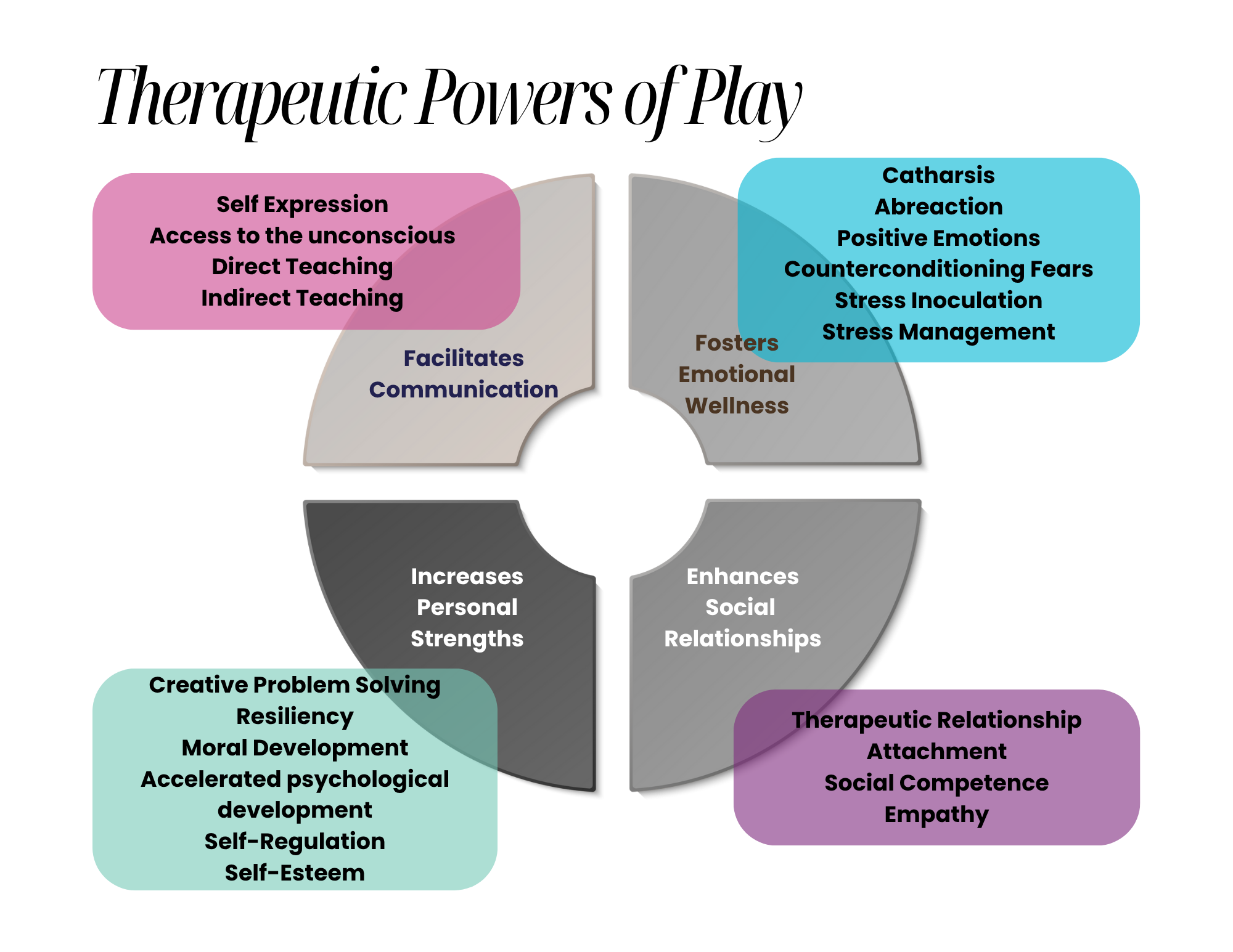
You're not just looking for credentials. You're looking for someone who understands how children actually communicate through behavior, through play, through what they don't say. You need someone who understands child development, mental health, family dynamics, the therapeutic powers of play, and can relate to you as a parent who doesn’t have all that education, training, and background information, but has something the therapist will never have, a PHD in your child! In addition, not all mental health professionals have what it takes to work with kids! A great child therapist finds delight in children, is playful at heart, and knows that kids are not just shrunk-down versions of adults! They also know that the theory and interventions they studied were developed for adults and have invested in learning how to bridge the gap from textbook/classroom learning to real-life work with silly, loud, messy, shy, and sometimes even stinky kids!

Parent Consultation and Coaching utilizing Robyn Gobbel’s Raising Kids with Big Baffling Behaviors Parent Course/Coaching materials is integrated into your child’s therapy process. Confident and Connected Parents accelerate their Child’s growth and support it long after therapy ends!
The right therapist will help your child feel genuinely safe. Safe enough to open up. Safe enough to begin working through the hard stuff at their own pace. This relationship between the therapist and the child is an essential foundation for change, and it isn’t the only thing that matters when it comes to lasting change. A great child therapist knows and understands that children need their own protected space to express, explore, learn, and heal. What happens in a child’s therapy session is confidential and protected in the same way that we guard confidentiality for adults in therapy. What is different for kids is that in order for them to make change, they need the adults in their life to know and understand what is happening and how to support them. SO while there is confidentiality, there is also a partnership with parents where the therapist takes what is happening in the therapy session and communicates it in ways parents can take action between sessions. Also, know that if there is any concern about your child’s safety, I am obligated to share that with you.
What sets a good child therapist apart:
They meet kids where they are, not where adults expect them to be (every session without an agenda)
They work with you, not just your child (parent consultation is the secret sauce)
They understand that emotional struggles often show up as behavior (the what), not words and are a clue to what is driving the behavior (the why)
They hold specialized training in child development and evidence-based approaches like play therapy— not just general adult therapy experience
They take a neurodivergent-affirming approach, working with how your child's brain actually works rather than trying to normalize it or encourage masking
Meet Erin Bennetts, Littleton Therapist for Children and Families

Erin Bennetts, LCSW RPTS Littleton Therapist
Licensed Clinical Social Worker, Registered Play Therapist Supervisor, Certified Synergetic Play Therapy Therapist Supervisor, Certified Big Baffling Behaviors Parent Coach, and Course Facilitator
Here's the honest truth about parenting: nobody actually knows what they're doing all the time. Not the parents who look like they have it together at school pickup. Not the ones with the color-coded family calendars. Definitely not anyone at 7 am on a Tuesday when someone is crying about the wrong color cup while the parent is weighed down with backpacks, lunch boxes, a laptop, and a mind racing to remember the never-ending demands that await today, while simply trying to get everyone out the door on time! Not even a registered play therapist who tried (and failed more than once) to apply her professional experience to raising her own 2 kids. I have been told that being a therapist’s kid is similar to being a pastor’s kid, IYKYK!
I'm Erin Bennetts, a licensed Clinical Social Worker and Registered Play Therapist serving children and families in the Littleton area. I've had the privilege over the past several decades of sitting with children who didn't yet have words for what they were carrying and watching them find their way to feeling safer, more understood, and more like themselves again. I've also sat with a lot of parents who walked in exhausted and walked out with a little more breathing room.
What I actually see in my office
Most of the kids I work with arrive in one of a few ways: anxious and shut down, bouncing off the walls, or so used to holding everything together that they've forgotten how to let go. I've learned that for many children, especially those who are neurodivergent, highly sensitive, or with vulnerable nervous systems, traditional talk therapy simply doesn't fit. That's why I dove deep into interpersonal neurobiology, brain science, child development, and trained in play therapy. This is also why I take a neurodivergent-affirming approach: working with how your child's brain actually works, not against it.
My work centers on child therapy and parent consultation, supporting families navigating anxiety, big emotions, behavioral challenges, and the kinds of life transitions that can quietly unravel even the most resilient human beings. I work with children and the parents who love them because real, lasting change happens when human beings feel safe, connected, regulated, and have the skills to do what is expected of them, no matter how young or old they are.
My Approach: The RPTS Difference
As a Registered Play Therapist Supervisor (RPTS), I've completed specialized post-graduate training and supervised clinical hours in play therapy beyond my LCSW licensure. It's a credential held by fewer than 5,000 therapists in the country and it means that working with children isn't a side offering here. It's the whole practice.
I specifically trained in Synergetic Play Therapy, which has its foundations in child-centered play therapy, interpersonal neurobiology, and the use of the therapist’s self-regulation in the playroom as the agent of change. In addition, I have completed Robyn Gobbel’s year-long Big Baffling Behaviors Immersion program and bring that into my work (and by life) every day with children and families.
Every child I work with has their own story. My job isn't to fit your child into a framework; it's to understand their world, meet them where they are, and create a space where they feel safe enough to do the real work of growing. Therapy here isn't something that happens to your child. It's something we build together, you, your child, and me. Collaborative, grounded, and yes, sometimes even a little fun.
A Note on Privacy
What your child shares in therapy stays in therapy. There are a few exceptions required by law, for example, if I have reason to believe a child is in danger, I'm required to act on that. But these aren't surprises. Before we begin, I'll walk you through exactly how confidentiality works, what it covers, and what it doesn't, so you and your child both know what to expect going in. We also cover how and what I share with parents so that you are an active participant in the therapy process from start to finish. You need information, support, and skills to support your child’s development, growth and healing.
Frequently Asked Questions About Working with Littleton Therapist Erin Bennetts LCSW, RPTS
-
Many parents reach out when they notice their child struggling with big emotions, frequent meltdowns, anxiety, behavior challenges, or difficulty at school or with peers.
Sometimes these challenges are due to developmental concerns and can be addressed in a preventative or early intervention approach (an ounce of prevention is worth a pound of cure). Other times, children have experienced specific or chronic stressors that they need support processing.
Therapy can help children better understand their feelings and develop tools for coping, while also giving parents guidance and support.
-
Families often seek therapy when children are experiencing emotional outbursts, anxiety, frustration, or difficulty adjusting to everyday stress. Counseling can help children learn emotional regulation, strengthen communication within the family, and build a healthier foundation for mental and emotional wellbeing.
One of the most important things I want parents to know is that they don’t have to wait for a crisis or an emergency to reach out.
Even if right now things are “going ok” you might be surprised at how effective support can be. When children are not in crisis or feeling pressure to “fix a problem” that is often when the greatest growth can occur.
-
Sessions are tailored to the developmental needs of the child and the goals of the family. Children may express themselves through conversation, creative activities, or interactive play, while parents also receive guidance and support. The focus is on helping children feel understood while strengthening the parent child relationship.
My playroom is set up with a variety of toys, games, art supplies, regulation tools carefully chosen for children to use as they wish to express, explore, engage, learn, heal and grown.
They may choose to be physically active and moving their body, they may get messy with the creative art items or sand…. of they may choose to tell me stories - no matter what they know what they are there to do and I give them the space to do so.
-
100% Parents and caregivers are an important part of the process.
Parents may or may not be invited by the child or therapist into the play room depending on the child’s goals.
All Child Therapy includes parent consultations where we talk about what may be driving certain behaviors and explore practical strategies that support children at home.
One more important thing to remember- your child sets the pace and chooses what they need to work on. Sometimes we have to put the adult agenda on the side and discuss that in our parent consultation sessions so that we do not bring it into the play room!!
-
Parenting counseling provides a space for parents and caregivers to better understand their child’s emotional needs. It can help parents feel more confident responding to big feelings, setting healthy boundaries, and building stronger connections within the family.
-
Therapy can support young children 2-6, school age kids 6-10, tweens/teens 11-13+ and their parents or caregivers. The approach is always adjusted to match a child’s developmental stage so they can express themselves in ways that feel comfortable and natural.
-
Working with someone in your community can make therapy feel more accessible and connected to your family’s everyday life. A local therapist understands the pace of life in the Littleton area. In addition a local therapist is familiar with schools, activities, other community resources and can provide support that fits the needs of families in this community.
-
Every child and family is different. Some families come for short term support around a specific concern, while others continue longer as they/their child builds emotional skills and confidence over time.
-
I try to remove as many barriers to accessing care quickly as possible. What I have found works best is for families to schedule a video consultation directly from the calendar on my website.
You can see right there the next day and time I have blocked for video consultations. Schedule it and you have 20 minutes of dedicated time to share with me your concerns, ask questions and see if we might be a good fit (scheduling, financially, and more).
-
It can be helpful to look for a therapist who has experience supporting children and families and who creates a space where both kids and parents feel comfortable. A good therapeutic relationship should feel collaborative, supportive, and focused on helping your family move forward.
I also like to add that good therapy also challenges you in ways that you may not always appreciate! BUT as humans we don’t grow when we stay comfy, cozy and challenge free. That said too much challenge isn’t the best fit either. SO if my approach doesn’t fit I am always there to provide referrals to other providers who might be a better fit for your family.
Ready to take the next step?
Booking a 20-minute video consultation can feel difficult and intimidating, especially when you're not sure exactly what your child needs yet. That's completely okay. Most families come to me not with a polished list of concerns, but with a general sense of something's not right, and I want to help.
I try to take as much tension out of the process. Look here, right below, you can see when I am available to jump into that first video chat with you (I like putting names, faces, and voices together and having a felt sense of who you are and giving you the same). No extra steps, no additional information. Just click on the day and time below, and let’s get started.
BONUS: Read my blog “How to get the most out of your 20-minute Consultation for Child Therapy” so you know exactly what we will be discussing. Once we complete your consultation, if it is a good fit, we book your initial intake .